Coach Clay
His name is woven throughout Heritage Christian because his life, his work, and the way he invested in young people helped shape what HC became.

He was a son, a brother, a husband, a father, a baseball player, a coach, a teacher, a builder, a problem-solver, and a man who believed that young people were worth his time.
To generations of players, he became Coach Clay.
To his family, he is Dad.
And to Mrs. Aimee, his high-school sweetheart and partner through life, he is the love of her life.
Coach Clay and Mrs. Aimee supported one another wholeheartedly. What mattered to one mattered to the other. Their children grew up seeing that kind of support lived in front of them — a family that shows up for one another, works together, and goes all in when something matters.
Baseball mattered deeply to Coach Clay. Long before HC had a name, the game was already part of his story.
Before He Was Coach Clay
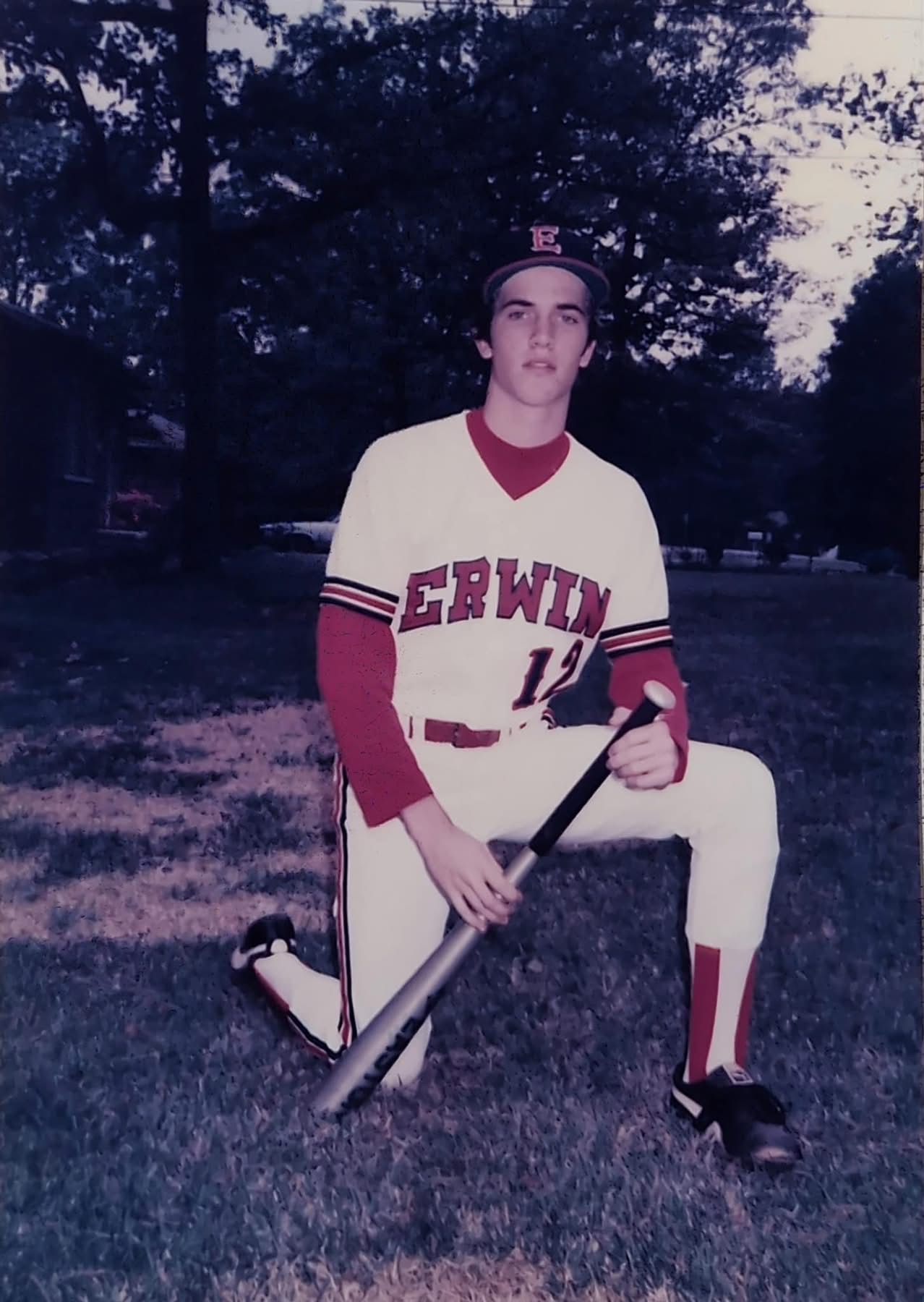
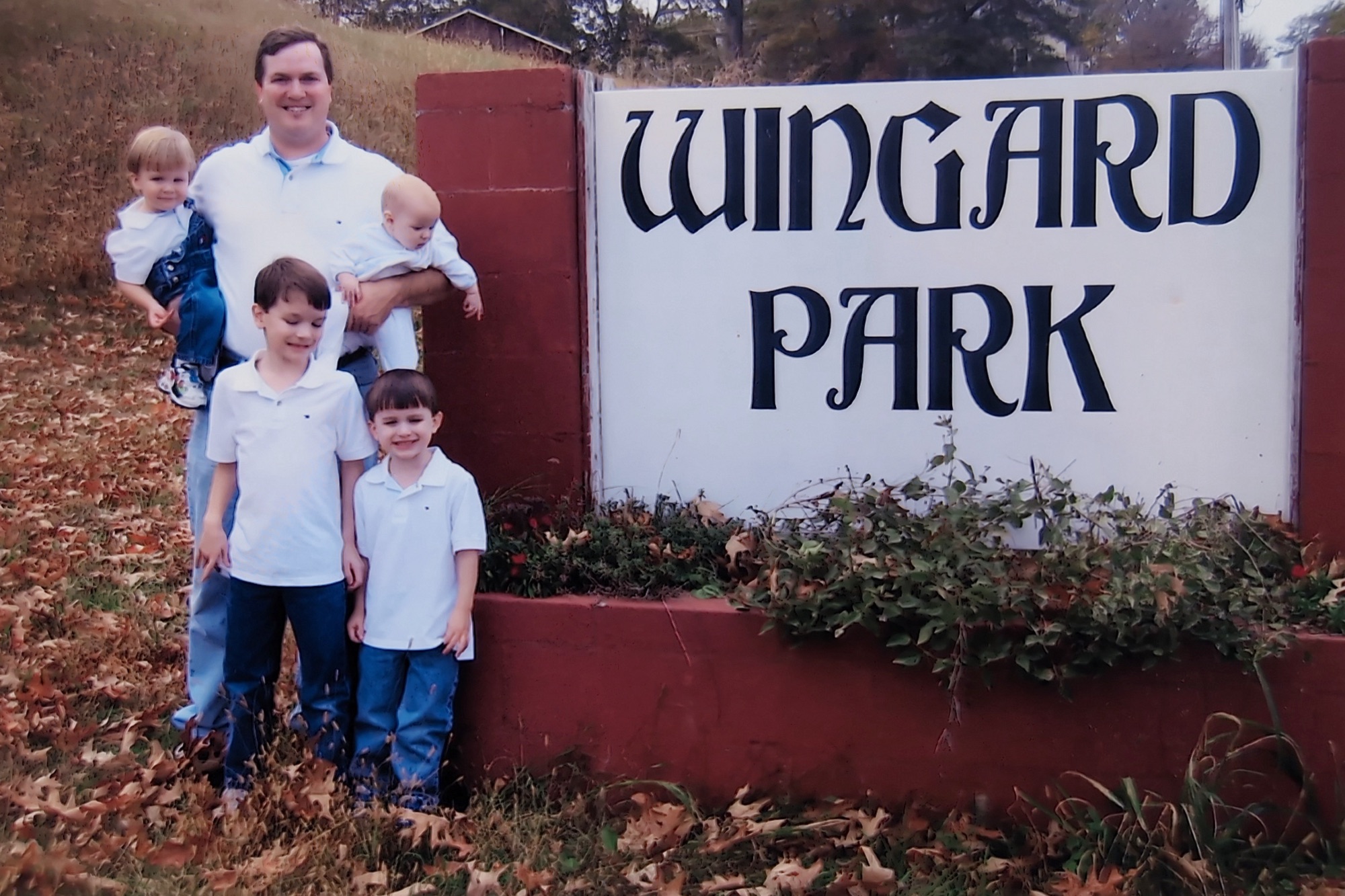
Baseball was part of Coach Clay’s life long before he ever stood in an HC dugout. He learned the game as a player and as a son, sharing it with his father, Coach Wingard.
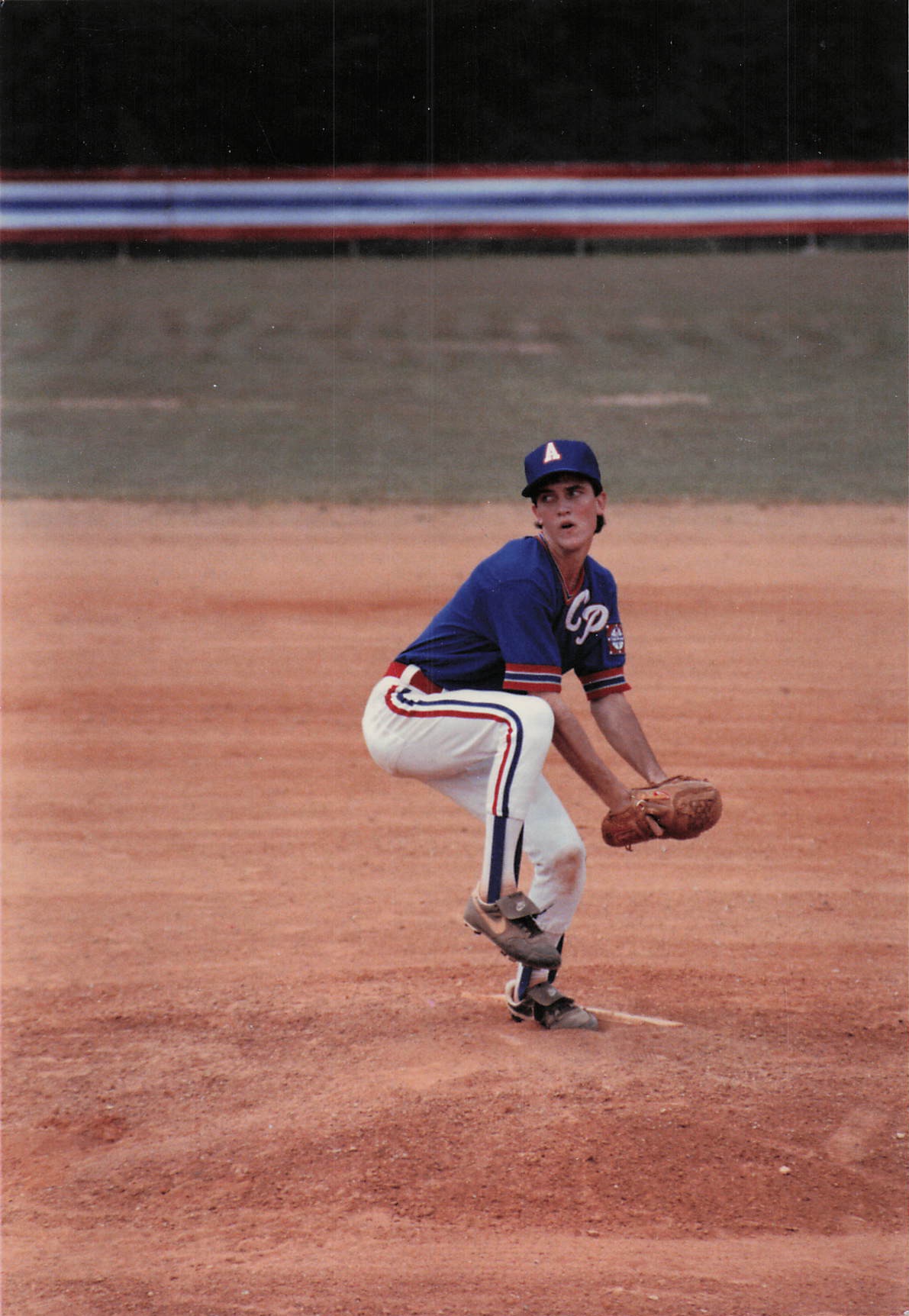
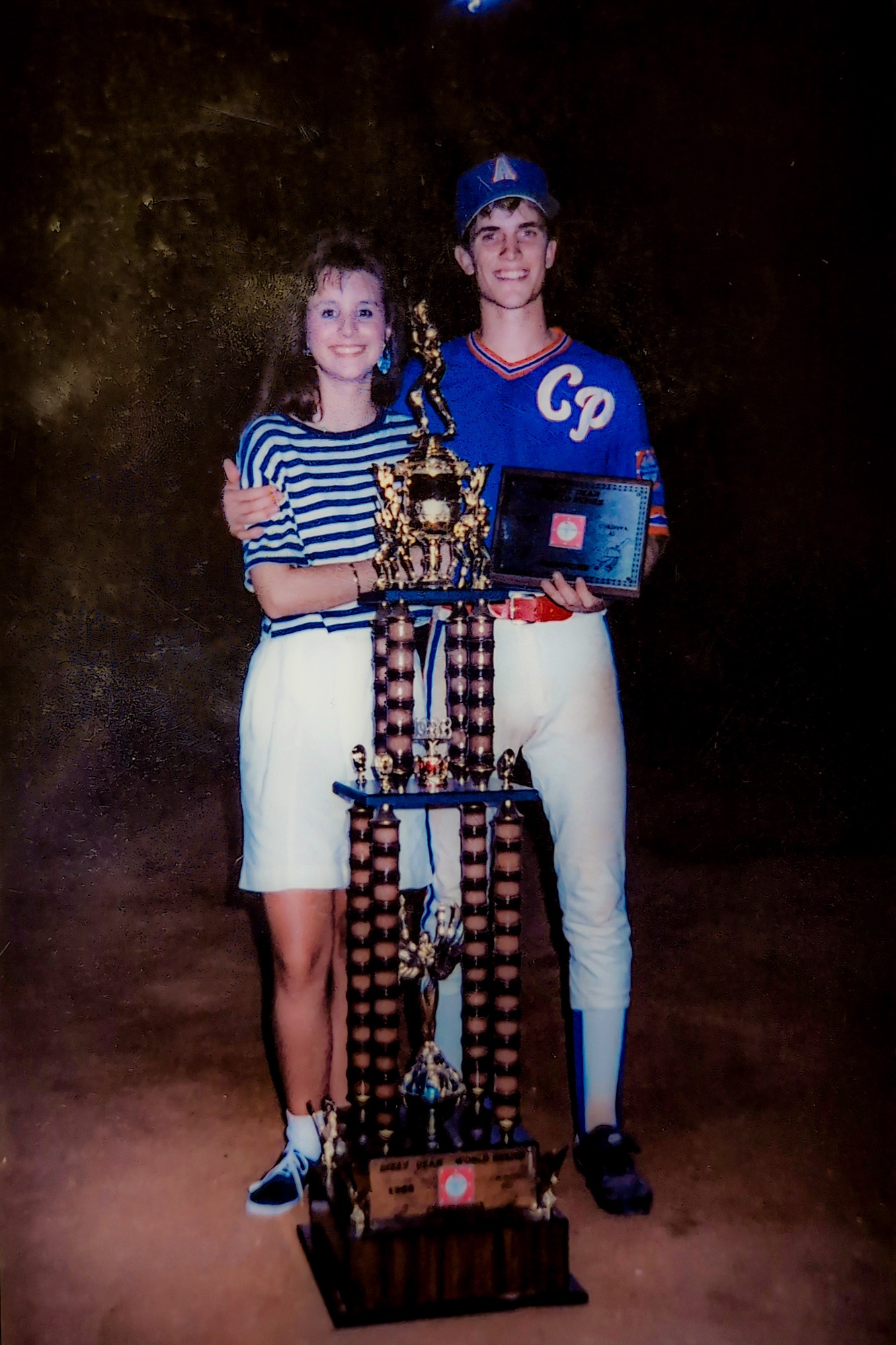
Coach Clay was a pitcher, and in 1988, during his senior season, his team won the Alabama State Championship and went on to win the Dizzy Dean World Series, with his father, Coach Wingard, serving as head coach.
Coach Clay knew what it meant to work toward something together, compete at a high level, and finish a season as a champion.
Years later, he would stand on the other side of that relationship. He became the coach, his own sons became the players, and together they would experience championships of their own — World Series championships and National Championships among them.
The game gave Coach Wingard and his son something to share, but it also gave Coach Clay lessons he would eventually carry into his own family and pass to generations of young players.
Becoming Coach Clay
Years later, Coach Clay found himself on the other side of the lesson.
He began coaching his own boys and, along the way, countless other young players who came through his teams.
He taught fundamentals. He expected players to think. He believed preparation mattered, details mattered, effort mattered, and the way a player responded when things went wrong mattered.
Baseball gave him a place to teach lessons that reached far beyond baseball.
Fatherhood and Coaching Grew Together
Coach Clay’s own sons grew up with baseball woven through their lives. Practices, games, tournaments, road trips, conversations, instruction, corrections, celebrations, disappointments, and another chance to try again were simply part of growing up.
But the circle became much larger than his own family.
Year after year, other young men stepped onto his fields and into his dugouts. He coached them seriously because he took their potential seriously.
They were players, but they were also young people becoming men. Coach Clay understood that how he taught them to work, think, respond, compete, and treat people could follow them long after their final game.
Whatever Needed Doing
Coach Clay built HC from the ground up, and sometimes that meant literally starting with the ground.
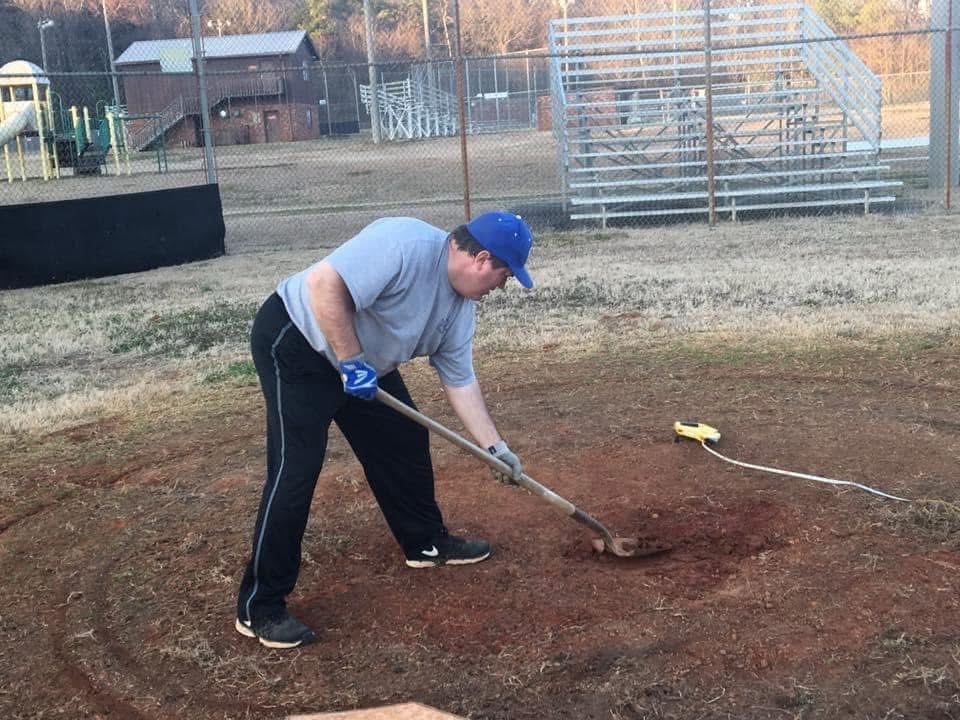
When HC first got its field, it wasn’t ready for baseball. It was in such poor condition that HC couldn’t even use it for home games. The pitcher’s mound had washed away and disappeared beneath the grass. When the city told them the mound was still there and they would simply have to dig it out, that’s exactly what they did.
Coach Clay went to work.
His family went to work beside him. They supported what he was building because it mattered to him, and because they believed in the opportunities he was working so hard to create for young people.
Dirt was hauled. Grass was cut. Water was vacuumed away. The mound was rebuilt.
By the end of that first season, Coach Clay had brought the field far enough that HC could finally ask an opponent to come to them and give their seniors something they had not been able to have all year:
That field became Tippy — the home of HC Baseball.
And the work never really stopped.
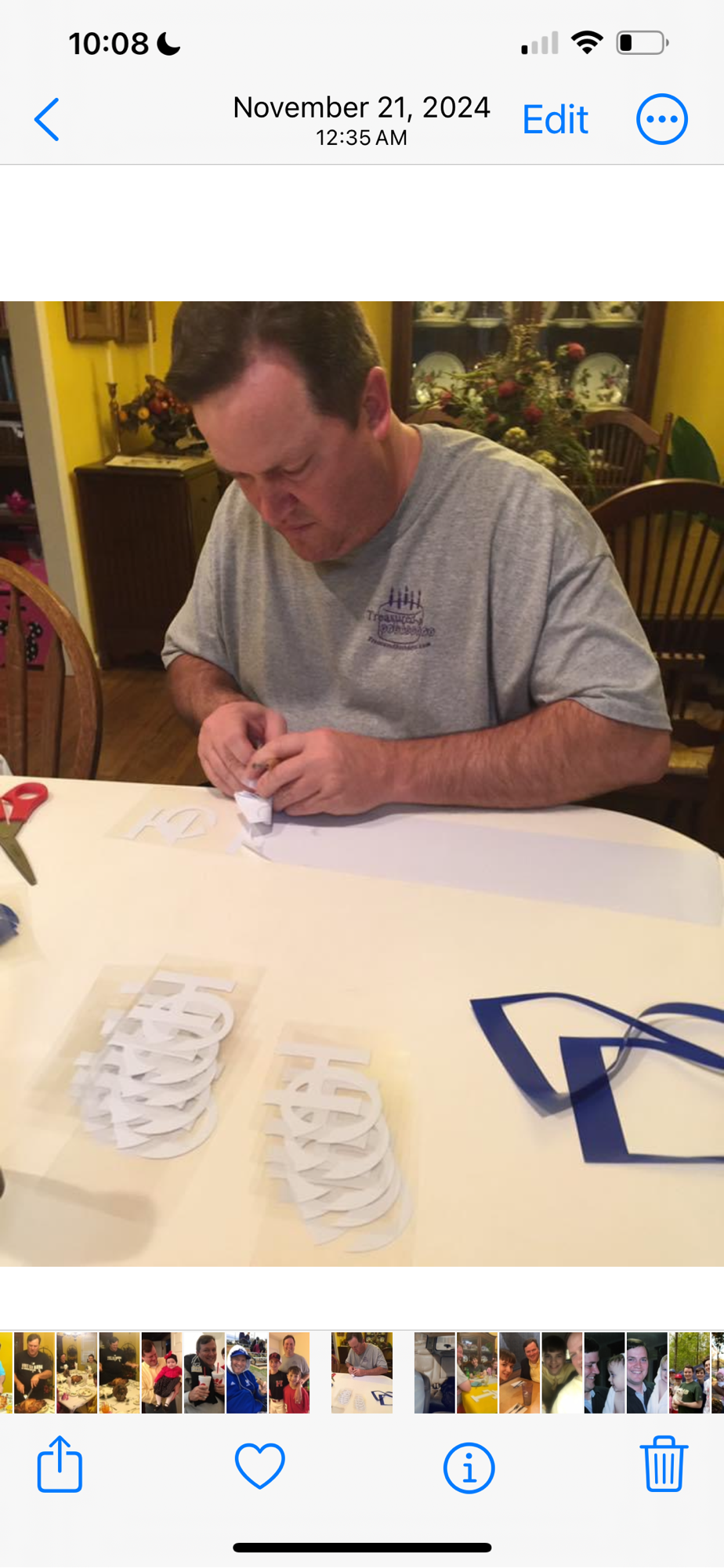
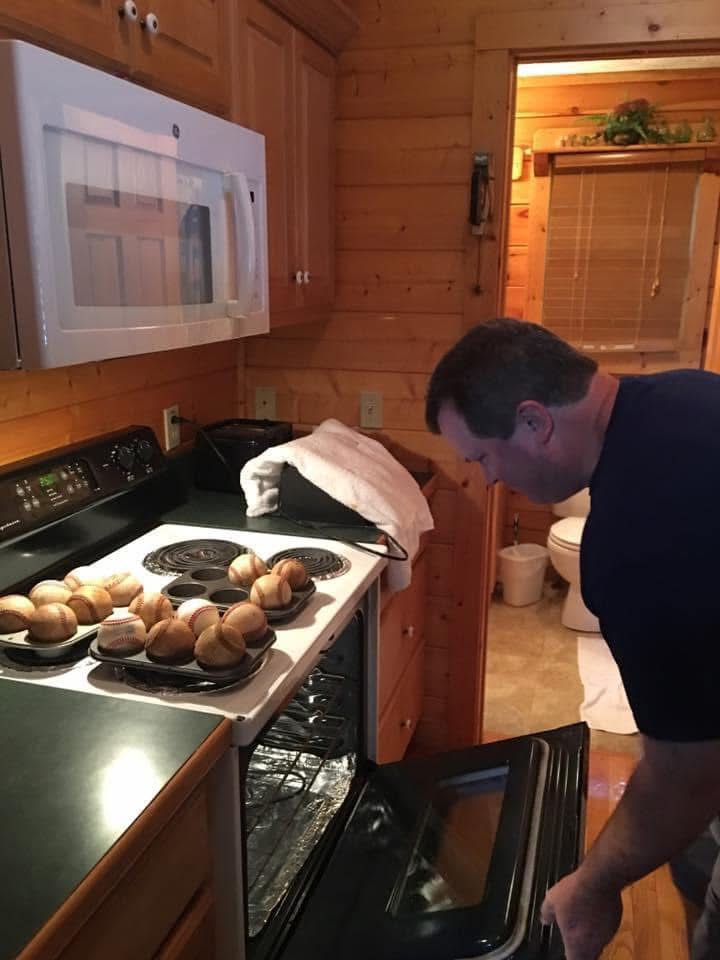
Coaching was only the part people saw during the game. Behind it were fields to maintain, uniforms to make, equipment to repair, wet baseballs to dry, cleats to patch, supplies to haul, problems to solve, and a thousand ordinary jobs that had to happen before young people ever had the opportunity to compete.
HC became what it did because Coach Clay was willing to do far more than stand in a dugout and coach baseball. He was willing to build what was needed so young people would have a place to grow, compete, belong, and pursue excellence.
When It Mattered to One of Us, It Mattered to All of Us
Coach Clay and Mrs. Aimee were high-school sweethearts who built their life together. They supported one another wholeheartedly, and their children grew up watching what that looked like.
In a family of eight, support often required a little creativity. Long before Heritage Christian, “divide and conquer” was simply part of life — one parent heading toward one ballfield while the other headed somewhere else, everybody doing what was necessary to get where they needed to be.

One day, Mrs. Aimee was taking Drake to a game in Tuscaloosa while Coach Clay needed to head the opposite direction with Kent. After everyone was already on the road, they realized Kent’s batting gloves were in Mrs. Aimee’s vehicle.
There was no time to turn around, and Coach Clay was tied up at work and couldn’t meet them.
So Mrs. Aimee and Drake stopped in Fultondale, just a few miles from the HC field, buried the batting gloves beneath the mulch around a tree at a shopping center, and told Coach Clay exactly where to find them.
On his way home from work, Coach Clay stopped, dug up the gloves, picked up Kent, and headed to the game.
Baseball mattered to Coach Clay, so it mattered to Mrs. Aimee. The things that mattered to her mattered to him. And their children grew up seeing that same commitment modeled in both directions.
The batting gloves mattered too. They were a tool that helped Kent do his best, and doing your best mattered to Coach Clay.
It was funny. It was a little ridiculous. And it says something important about the life surrounding HC: support was never something this family merely talked about. It was something they did.
When Coach Clay began building Heritage Christian, that same wholehearted support surrounded him there too.
Character Was Never Just Something He Coached
Coach Clay wanted to win.
He prepared to win, coached to win, and expected his players to compete with everything they had.
But competition ended when the game ended.
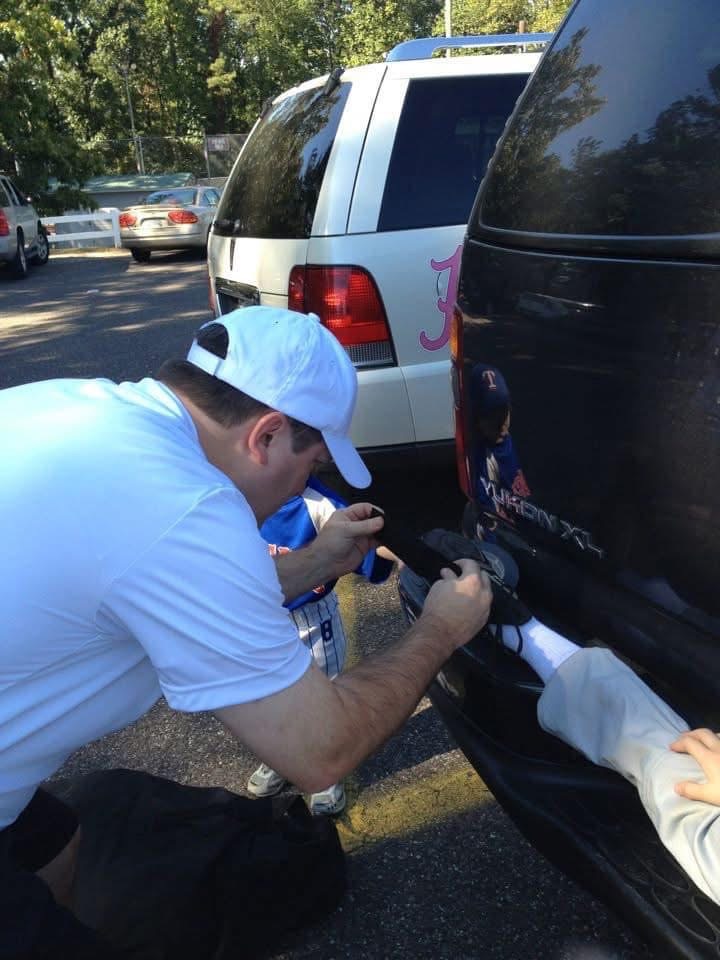
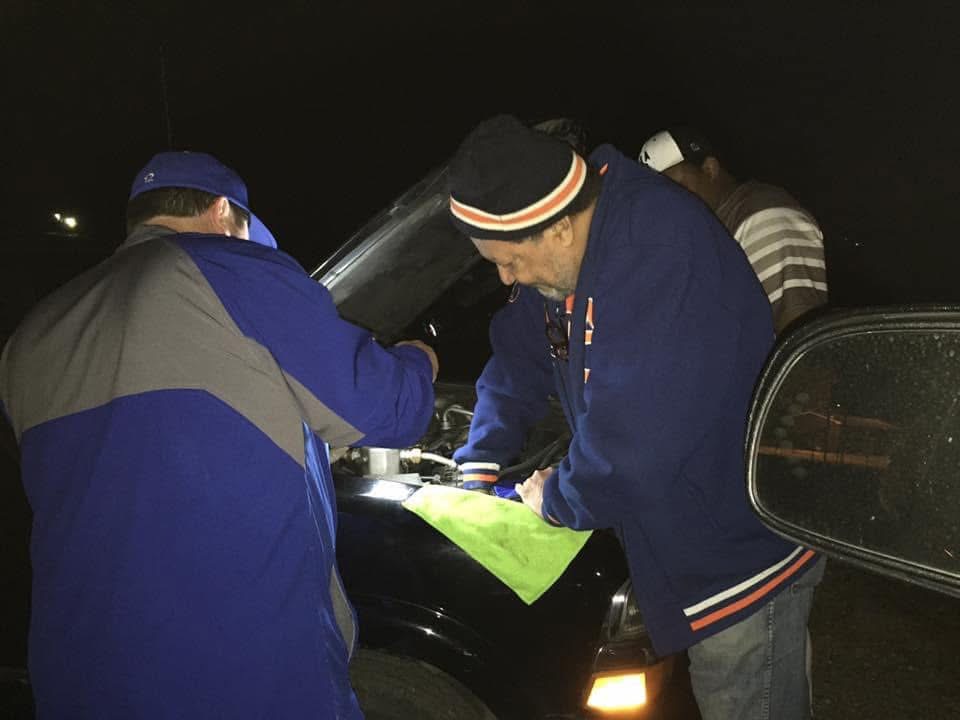
When an opponent needed help with a vehicle after a game, Coach Clay helped fix it.
Those values were not meant to be displayed only when someone was wearing an HC uniform. They mattered when nobody was keeping score.
Coach Clay expected character from his players because he believed the person they were becoming mattered even more than the player they were becoming.
Still Coaching His Boys
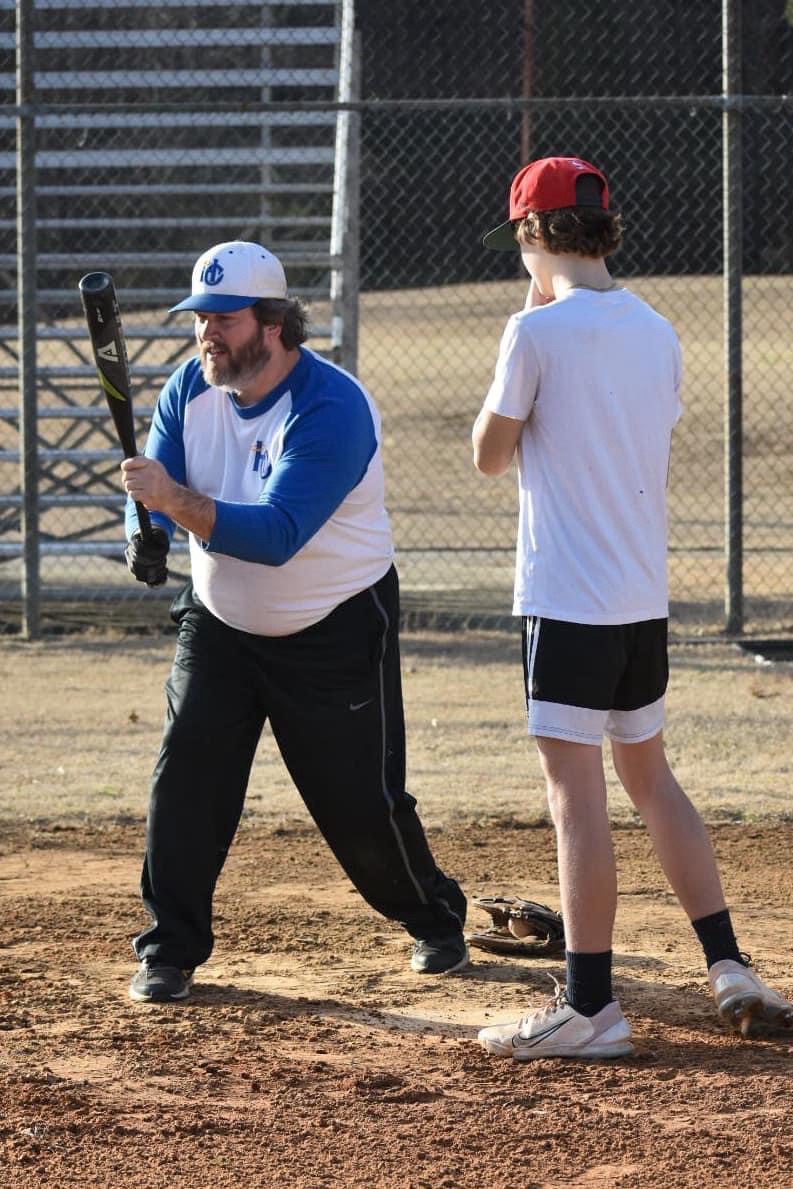
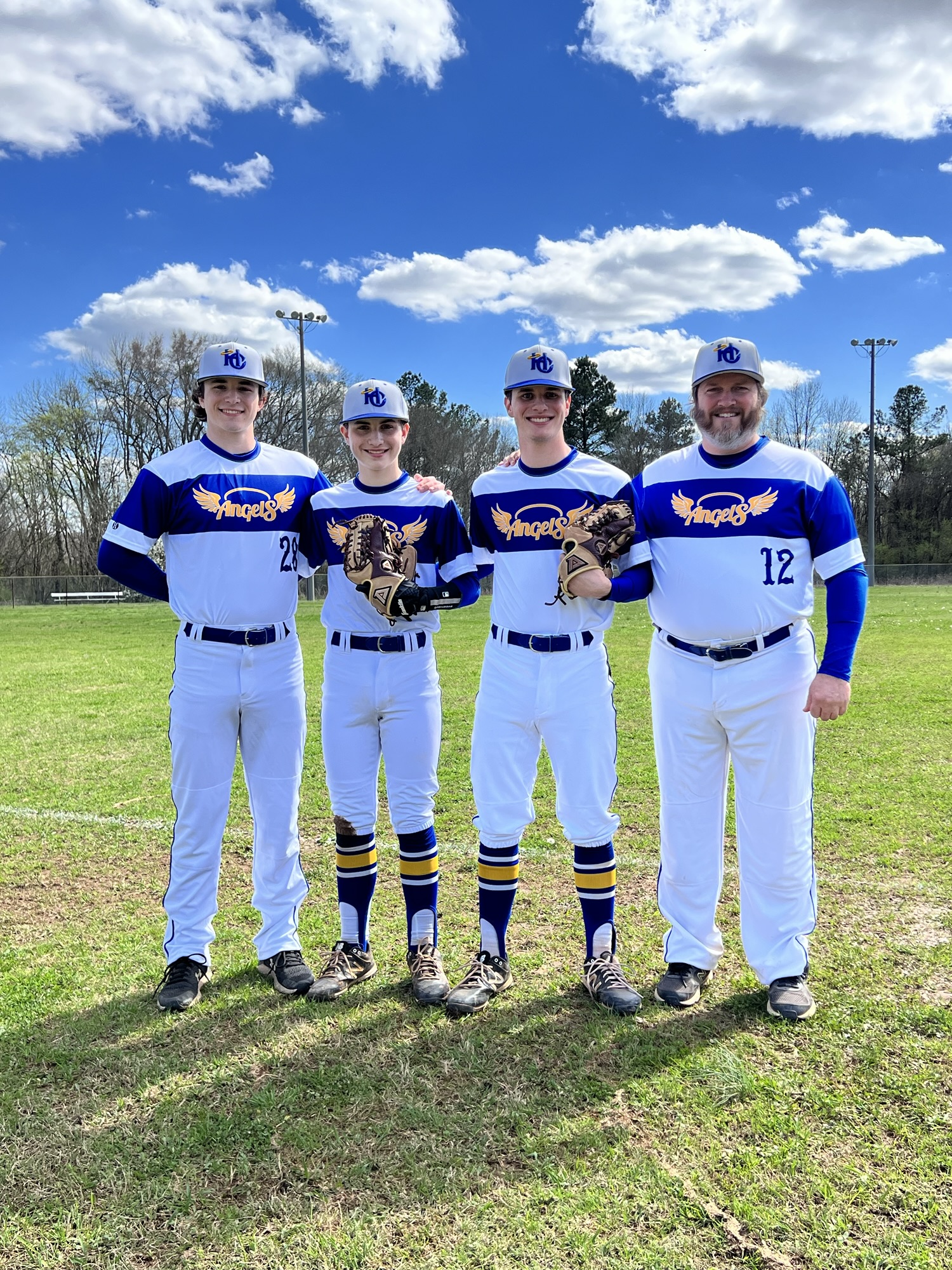
During Coach Clay’s final season, the thing he had spent so many years doing was still happening: he was on the field with his boys, teaching, directing, watching, and investing in the next generation.
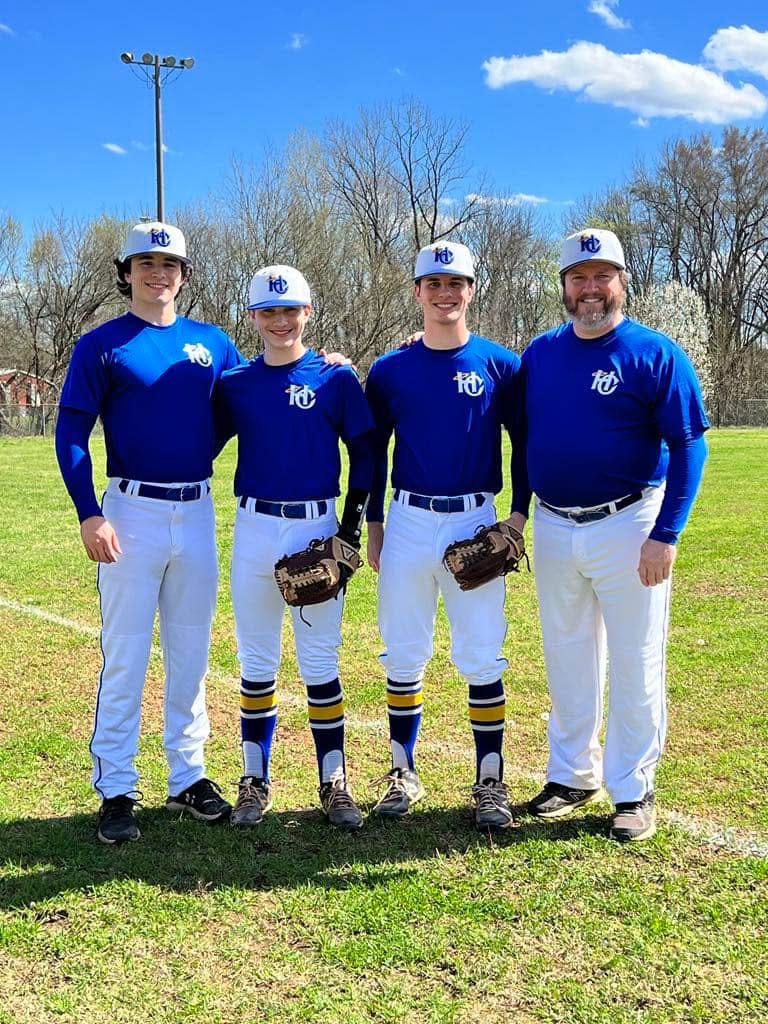
By then, Drake had graduated from the program and returned to help his dad coach. Father and son were no longer simply coach and player. They were coaching together.
The moment would become more significant than anyone standing on that field could have known at the time.
Coach Clay was still doing what he had done for decades — sharing the game he loved, investing in young people, and teaching his own children through the life they were living beside him.
Carrying Forward What He Built
Coach Clay’s family had always supported the work he was doing. They grew up serving beside him, helping wherever help was needed, and sharing in the life that surrounded HC.
They didn’t begin carrying HC forward when they lost Coach Clay. They had been working beside him all along. The difference now is that the work he once carried with them has to be carried without him.
That was never the goal.
The goal is to honor his dedication, preserve his memory, and continue the ministry he began.
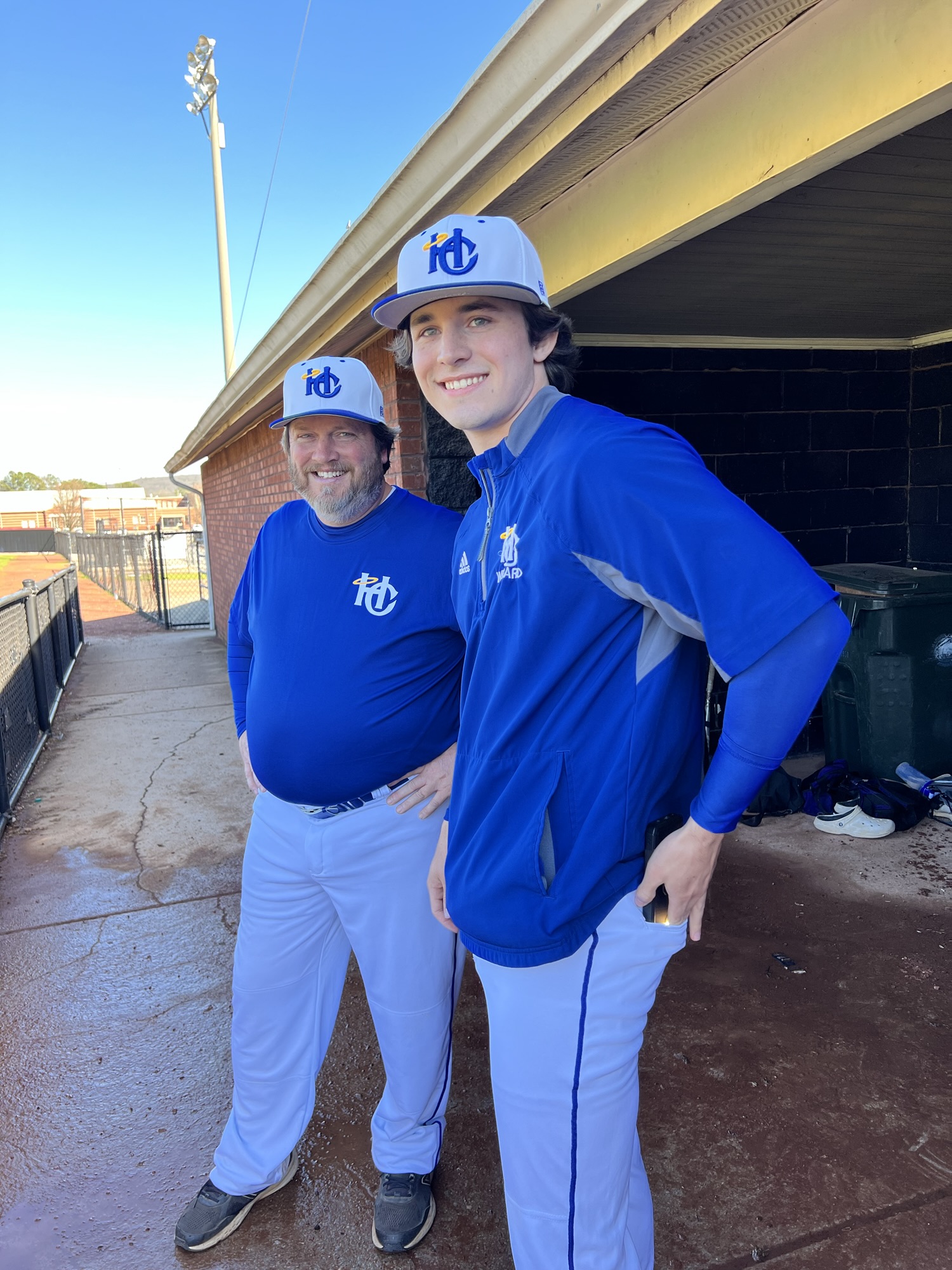
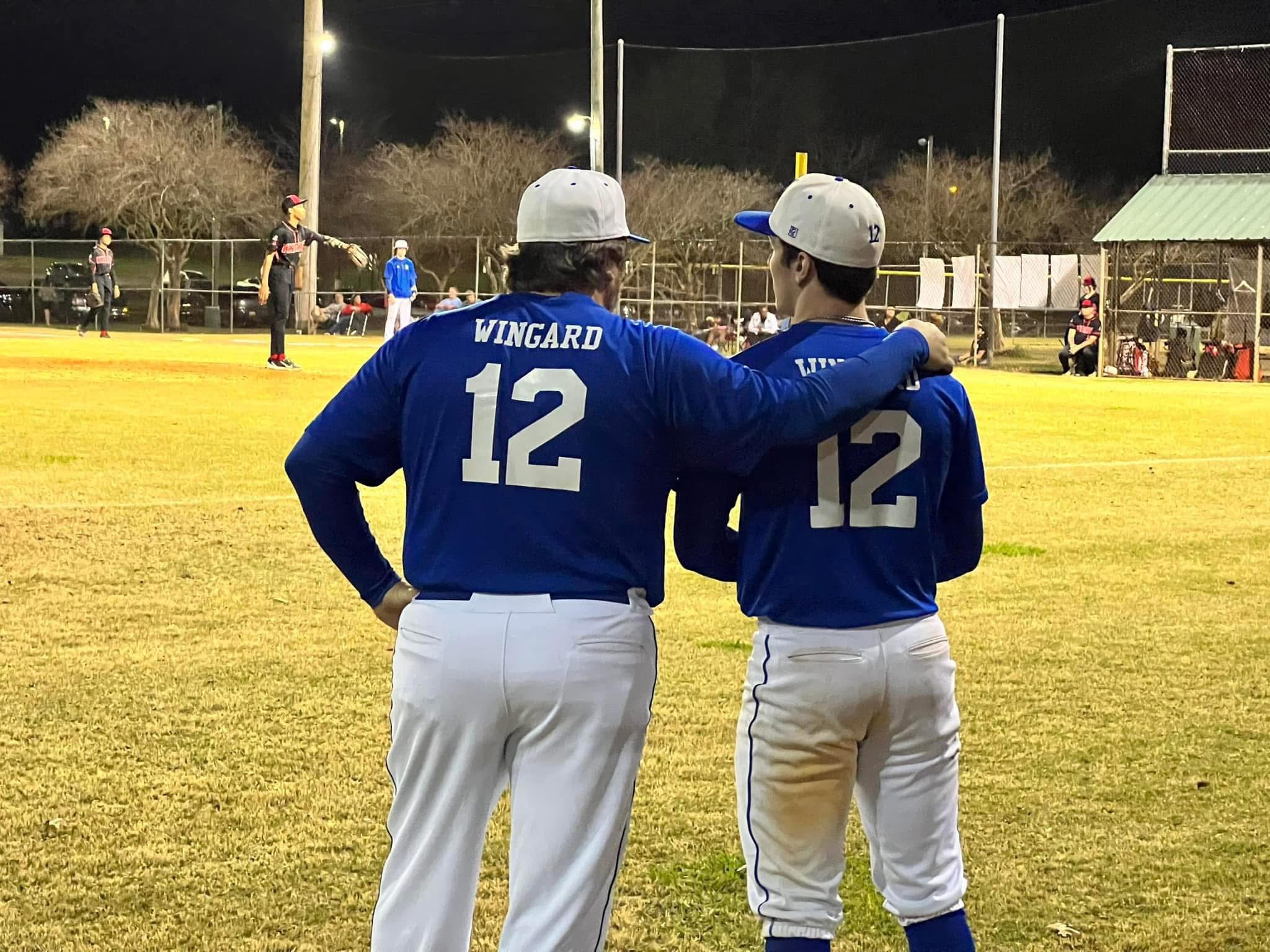
Sometimes carrying something forward is visible. Coach Drake now leads HC Baseball as head coach. Coach Wade has stepped into coaching and joined him. Drake and Wade, along with Kent, continue to pour their time into field maintenance, game preparation, and the work required to keep Tippy ready for HC Baseball.
Sometimes it happens quietly. Coach Clay had always handled cutting the vinyl used to make HC jerseys. After losing him, Blake learned how to do what his dad had done because the jerseys still needed to be made. Rhett continues to help at games — working the gate, taking pictures, keeping score, helping with uniforms, and handling countless other details behind the scenes. Sissy helps with cookies, picking up trash, and doing her part around the field.
Those jobs may look different, but they come from the same place: a willingness to support something Coach Clay gave so much of himself to build.
The baseball test is still given. The standards still matter. Young people are still being taught to think, work, compete, recover, serve, and develop their gifts well.
The ministry continues because the things Coach Clay believed were worth doing are still worth doing.
“It mattered to him, so it matters to me. I will spend the rest of my days continuing what we built together.”
— Mrs. Aimee
Coach Clay built something meant to be carried forward.
Players grow up. Sons become coaches. New Angels walk onto the field. Traditions are passed down. Lessons find their way into another generation. And people who were once served learn to serve someone else.
His family carries HC forward because they know what it cost him to build it, how deeply he cared about the young people he served, and how much the work meant to him.
They were all in for Coach Clay while he was here.
They remain all in on the work he left in their care.
The Work Goes On
His name remains part of Heritage Christian not simply because we remember the man who built it, but because the things he taught are still being lived.